
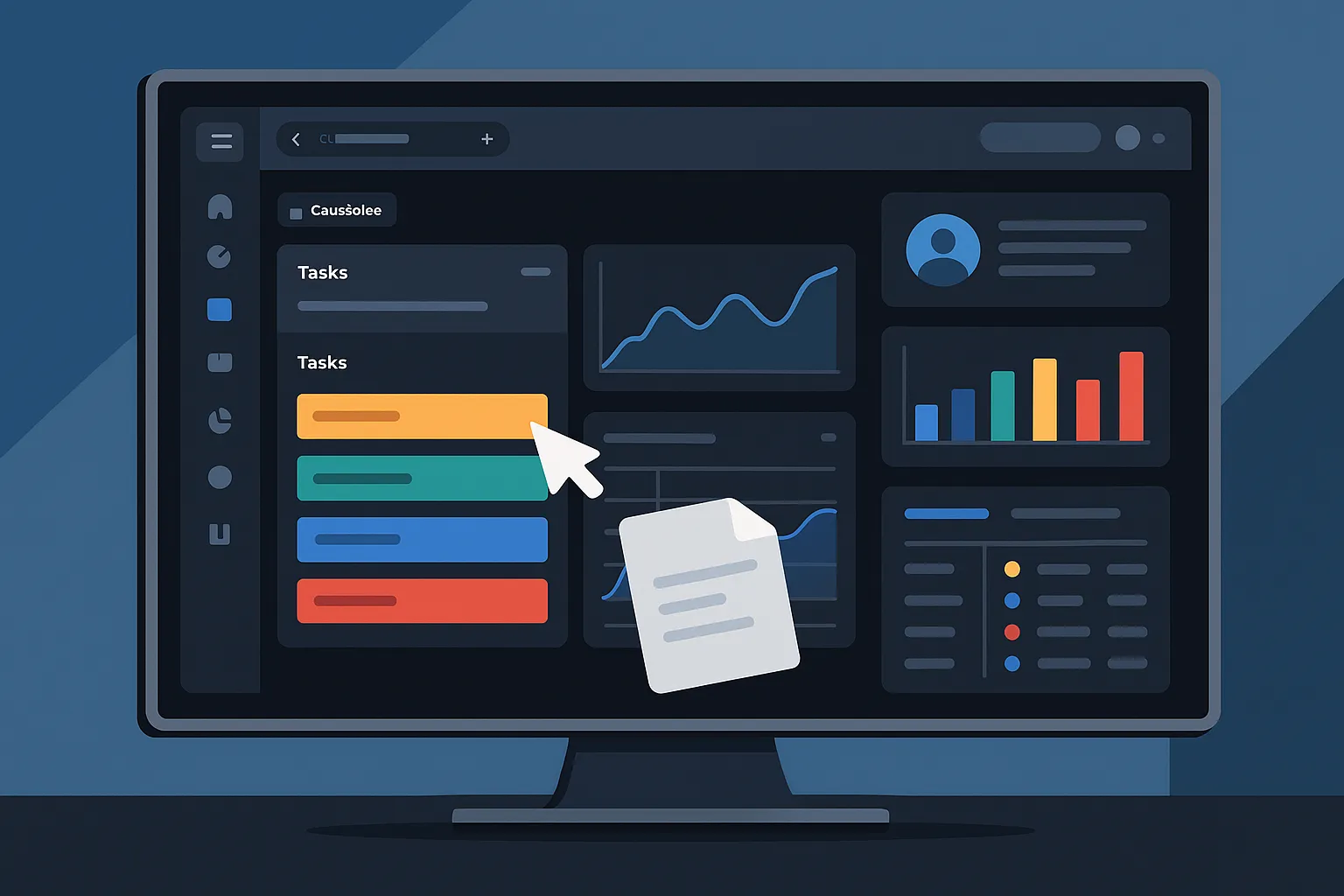
A Refreshed User Interface for Maximum Productivity
The most noticeable improvement in the latest cloud software update is a completely redesigned user interface (UI). This isn’t just a cosmetic upgrade—it’s a thoughtful overhaul aimed at improving user efficiency and reducing friction in daily workflows. The new UI features a cleaner layout, better contrast, collapsible menus, and a customizable dashboard.
Key functions are now more accessible, with drag-and-drop capabilities enhanced and frequently used actions surfaced directly on the home screen. Whether you’re a project manager navigating tasks or an analyst reviewing reports, the visual improvements make everything faster and easier to find.
The update also introduces a “dark mode” with better visual ergonomics for extended use, reducing eye strain for users who spend long hours on the platform.
AI-Powered Workflow Automation
One of the standout features is the expansion of AI-based automation. The update introduces intelligent suggestions based on user behavior, project history, and common task sequences. For instance, when uploading a file or tagging a task, the system now proactively recommends the next step—whether that’s notifying a team member, scheduling a follow-up, or linking related documents.
Administrators can also set up conditional automations with natural language prompts, such as: “If a file is uploaded to the finance folder, notify the accounting team and assign a review task.” These flows reduce repetitive manual steps and keep teams focused on higher-value activities.
Enhanced Collaboration Tools
Collaboration is central to cloud-based platforms, and this update brings several improvements that streamline team communication. Comments on shared documents now support @mentions, real-time status indicators, and threaded replies.
Integrated video calling has also been optimized—users can initiate video chats directly within project spaces without switching to third-party apps. Screen sharing, collaborative whiteboards, and quick polling are all available within the same environment, helping teams brainstorm and resolve issues in one place.
Shared document access and editing now feel nearly instantaneous, with latency improvements that make co-editing smoother and more reliable—even on lower bandwidth connections.
New Data Visualization and Reporting Capabilities
The update significantly boosts analytics and reporting functionality. A new visual builder allows users to generate dashboards using drag-and-drop components—charts, graphs, and KPIs can be configured in minutes without needing SQL or coding experience.
Data sources across cloud storage, CRM, and project tools are now integrated, meaning reports are more holistic and actionable. Real-time updates and scheduled exports to PDF or Excel make it easy to share insights with stakeholders.
For power users, advanced filtering options and dynamic chart elements provide granular control over how data is presented. This is particularly valuable for marketing, finance, and operations teams who need customized views of their performance metrics.
Improved File Management and Storage Options
In response to user feedback, the latest version introduces smarter file storage with automated tagging, search filters, and version history. Files can now be categorized using metadata and labeled by project, team, or priority.
A new AI-driven search function helps users locate documents using contextual cues—not just file names. For example, typing “Q2 report by Sarah” will retrieve a list of documents matching both time frame and author.
Version control has also improved. Users can compare two versions of a document side by side and restore previous versions with a single click. Notifications are triggered when shared files are updated, ensuring everyone is working with the latest version.
Enterprise-Grade Security Upgrades
Security has always been a top priority for cloud software providers, and this latest update reinforces that commitment with enterprise-grade enhancements. Multi-factor authentication (MFA) now supports biometric options such as fingerprint and facial recognition, offering stronger protection without compromising convenience.
Admins gain greater control with expanded role-based access configurations. Permissions can now be assigned not only by user role but also by project status, file type, and even document sensitivity level. This granular permission model ensures that sensitive data is only accessible to the right people at the right time.
Encryption protocols have also been upgraded—both in transit and at rest—using AES-256 encryption and new region-based compliance standards. For companies working in highly regulated sectors like healthcare or finance, these changes bring a new level of confidence and accountability.
Seamless Third-Party Integrations
A major highlight of the update is its new open integration layer. The platform now supports direct connections to a wider array of third-party tools, including CRMs (like Salesforce), messaging platforms (like Slack and Microsoft Teams), document editors (like Google Docs), and popular task managers (like Asana and Trello).
What makes this especially powerful is the introduction of native integration templates. Users no longer need custom code to link systems—just select from a gallery of pre-built connectors. For example, you can now automatically sync CRM contacts with project spaces or trigger Slack alerts when a task deadline is changed.
These integrations not only save time but eliminate the errors and inefficiencies caused by switching between disconnected tools. Businesses can now build streamlined, automated ecosystems that reflect how their teams actually work.
Smart Notifications and Custom Alerts
One of the most requested features—more intelligent notifications—has finally been addressed. The update introduces a revamped notification center that allows users to create smart alerts based on activity type, importance, and context.
Instead of being flooded with every update, users can configure their alerts based on roles or keyword filters. For example, a marketing team member might only want notifications when new assets are uploaded to the campaign folder, or when tasks marked “urgent” are reassigned.
Notifications are now also multi-channel, meaning users can choose how and where to receive them: in-app, via email, mobile push, or even as a summary in their morning calendar digest. This flexibility prevents alert fatigue while ensuring that critical updates are never missed.
Real-Time Co-Editing With Smart Suggestions
The cloud software now supports real-time document co-editing with a twist—AI-powered suggestions as you type. While multiple users can edit a document simultaneously, the new AI assistant analyzes input and offers grammar fixes, rewording tips, and formatting suggestions in real time.
For teams working on reports, proposals, or content creation, this is a game-changer. It reduces the need for multiple rounds of editing and accelerates the path from draft to publish-ready content.
There’s also a “revision recommendation” tool that flags inconsistencies or style mismatches across shared documents. If team members are working from different templates or writing standards, the tool helps harmonize tone and structure for a more unified output.
Custom Templates and Workspace Personalization
With growing demand for flexible workflows, the latest update adds robust template capabilities. Users can now create and save custom templates for projects, task lists, documents, and dashboards.
For instance, a software development team can standardize sprint planning with a template that includes task dependencies, burndown charts, and QA checklists. Similarly, HR teams can set up onboarding templates that trigger tasks and file requests based on the hire date.
Additionally, workspace personalization tools let individuals configure their dashboard layout, themes, shortcut panels, and even keyboard commands. This means power users can build environments that suit their working style, while new users can ease in with simplified views.
Performance Enhancements and Offline Mode
Behind the scenes, the update also introduces significant infrastructure improvements. Load times for large files and complex dashboards are now up to 40% faster, thanks to backend optimization and better browser caching.
In regions with inconsistent connectivity, the new offline mode ensures users can still work productively. Files and project boards can be marked for offline use—edits made while offline will automatically sync once a connection is restored.
This is especially useful for field workers, traveling executives, or teams in rural areas, allowing them to remain productive even without constant internet access.
Industry-Specific Feature Sets
The platform now includes industry-specific feature bundles tailored to common workflows in sectors like construction, education, creative services, and finance.
For example:
- Construction teams gain blueprint preview support, site inspection checklists, and contractor communication hubs.
- Education institutions benefit from assignment tracking, student collaboration portals, and curriculum planning templates.
- Creative agencies get enhanced media preview tools, asset feedback workflows, and timeline synchronization with Adobe Creative Cloud.
These feature sets reduce the need for customization and give industry professionals out-of-the-box tools that feel purpose-built for their daily needs.
Environmental Impact Reporting
Sustainability is increasingly important in software development—and the platform now offers tools to help organizations measure and report their environmental impact. The new sustainability dashboard shows energy usage, estimated carbon footprint based on server load and cloud interactions, and tips to optimize digital resource consumption.
Organizations focused on ESG (Environmental, Social, Governance) compliance can export these insights in standardized formats for sustainability reports or audits.
Use Case: A Marketing Team in Action
To see the benefits of these updates in action, consider a mid-sized marketing team launching a product campaign.
With the new update:
- The creative lead sets up a project using a prebuilt campaign template.
- Tasks auto-assign based on the team’s role hierarchy.
- As content drafts are uploaded, the system suggests edits and styling fixes.
- Stakeholders are notified based on smart alert filters (e.g., only notified when files are finalized).
- Campaign analytics are built in real time using the visual dashboard tool.
- All interactions are logged and exportable for review in the post-mortem phase.
From kickoff to review, the entire process is faster, cleaner, and more connected—without needing to juggle multiple platforms.
Final Thoughts
The latest cloud software update represents more than just new tools—it reflects a thoughtful evolution toward smarter, more adaptive work environments. By focusing on AI automation, user personalization, integration flexibility, and performance, this release equips teams to collaborate more effectively and work more intuitively.
Whether you’re an enterprise scaling global operations or a small team optimizing local workflows, the improvements in this update deliver measurable value across the board.